
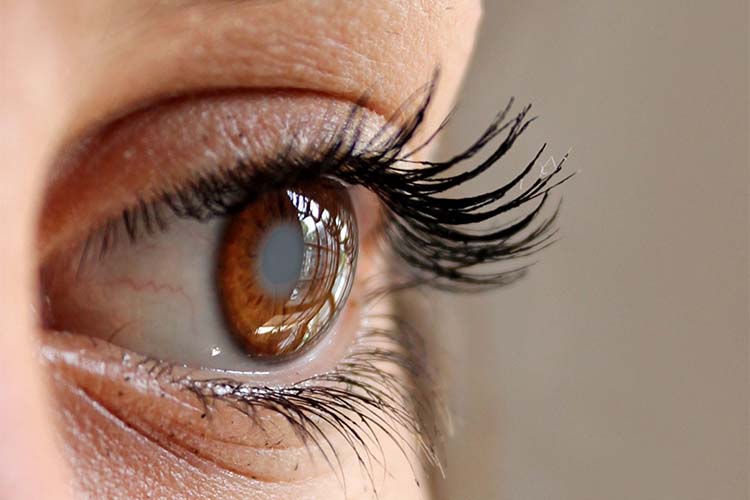
A Cataract occurs when the proteins in your eye’s natural lens break down, causing the lens to become blurry. This can cause vision to become hazy, blurry, or less colorful.
Cataracts are an aging change, in fact 9 out of 10 Americans develop them by the age of 65. Other reasons for cataract development may include: genetic inheritance, certain medical problems, injuries, sun exposure, and certain medications.
Surgery is the only way to treat Cataracts. Your ophthalmologist will recommend surgery when the cataract inhibits your ability to do things you need or want to do due to blurry vision.
Cataract Surgery is an operation in which your eye’s cloudy lens is removed and replaced with a clear artificial lens, called an intraocular lens (IOL).
CATARACTIC REMOVAL
The Surgeon will remove your clouded lens through a tiny incision.
LENS INSERTION
The Surgeon replaces your original lens with an intraocular lens.
The following are some of the intraocular lenses that Dr. Dua uses:
Before Surgery:
Be sure to mention to your ophthalmologist any outstanding medical risks you may have. Your ophthalmologist will measure your eye’s lens to determine the focusing power for your lens implant. You will be asked about any medications you are taking, and may be asked to not take some of these medications preceding surgery. You may be prescribed medicines such as eyedrops before your surgery, which can help to prevent and mitigate infection or inflammation during or after the operation.
You may be asked to not eat solid food at least 6 hours before the operation.
During Surgery:
Here is what will happen during your surgery:
After Surgery:
Dr. Dua also offers laser assisted cataract surgery using the LenSx® femtosecond laser, which is designed to improve precision and reproducibility during certain challenging and critical steps of cataract surgery. Because this technology allows for laser precision during these steps, the LenSx laser may contribute to improved surgical outcomes. Because LenSx is considered a premium procedure by most insurance carriers, you can expect to pay out-of-pocket expenses to have the surgery performed using this device.
Q: How long does it take to recover from surgery?
A: Recovery from this surgery is relatively quick, usually within a few days. Your vision may improve soon after surgery, and continue to improve to its full potential over several days or weeks.
Q: Is Cataract Surgery Safe?
A: As with all surgeries, cataract surgery comes with its risks. However, cataract surgery is one of the most common and safest surgical procedures performed.